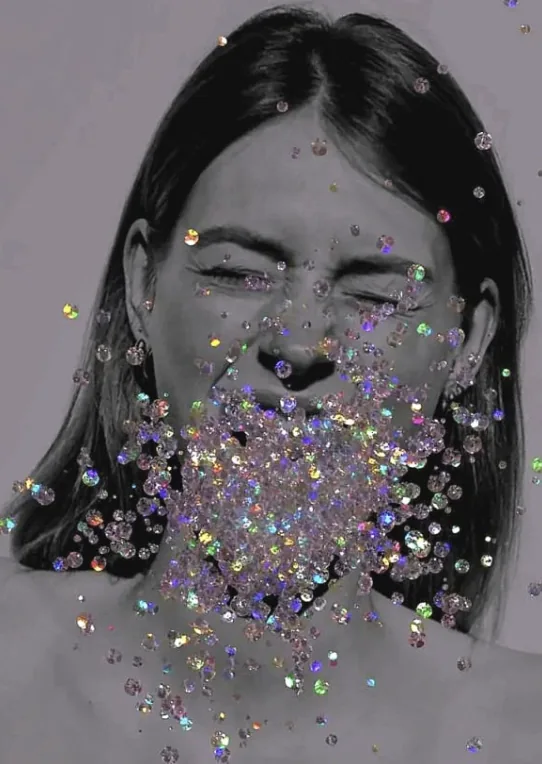

The world is angrier and more stressed than it was a decade ago. In Gallup’s latest State of the World’s Emotional Health report, 37% of adults said they’d felt a lot of stress the previous day, and 22% a lot of anger. Women in particular have had enough. In the UK, anger among women hit a record 21.5% in the Hologic Global Women’s Health Index, up from 15% the year before.
Honestly, most of us could do with taking a sledgehammer to the office printer from time to time.
That creates an interesting tension for anyone in our line of work. Brands are usually in the business of good feelings: delight, inspiration, joy, belonging. But the ideas that really cut through often start somewhere less comfortable. Anger. Jealousy. Embarrassment. Resentment. The stuff we mutter under our breath rather than say out loud.
Welcome to the rage economy
Pop’s leading women have been handing out permission slips for a while now. From Lily Allen’s West End Girl to Olivia Rodrigo’s All-American Bitch and Sophia Isella’s Everybody Supports Women, different flavours of frustration have found their way into the communal chorus.
And it’s not just music. Rage is becoming a booming business. In Australia, searches for rage rooms rose 19% in a single quarter. In the UK, smash rooms are struggling to keep up with demand. And at the more extravagant end of the market, rage retreats are charging thousands of dollars for multi-day experiences built around screaming, smashing, punching pillows and getting to grips with feelings people are usually encouraged to keep in check.
It’s a curious new corner of the experience economy. We’ve long paid to feel better, from massages to meditation retreats. Now, we’re paying for permission to feel worse. Or, more accurately, to stop pretending we feel fine.
Rage is nothing new
Of course, people have been finding ways to express collective frustration for centuries. We’ve always needed somewhere to put the feelings polite society asks us to swallow. In ancient Greece, women gathered in the mountains for rituals involving dancing, shouting and general revelry. In Flogsta, a student neighbourhood in Uppsala, Sweden, residents have been opening their windows at 10pm and screaming into the night since at least the 1970s or ’80s.
The urge to let it out isn’t new. What’s interesting now is how that urge is being repackaged: as entertainment, community, wellness and, increasingly, something you can buy.
So, what can we do with it?
First, the creative opportunity. Anger, jealousy, embarrassment and resentment are rich creative material because they’re recognisable, charged and often shared. Meanwhile advertising has a habit of reaching for the warm and fuzzy, leaving plenty of human experience unexplored. A negative emotion has an edge, and when a brand says the thing you thought only you were thinking, it feels like being caught out and understood all at once. Snickers built a global platform on the fact that we’re all a bit unbearable when we’re hungry.
But the bigger opportunity is strategic. Negative emotions aren’t just creative material. They’re clues to unmet needs, cultural tensions and experiences people are no longer willing to put up with. The trick is to look past the feeling to its cause. What’s making people angry? What feels unfair, exhausting or broken? And what does that reveal about where a brand could make a meaningful difference?
The best work doesn’t just reflect how people feel, it understands why they feel that way, and gives them a reason to believe things could be different.
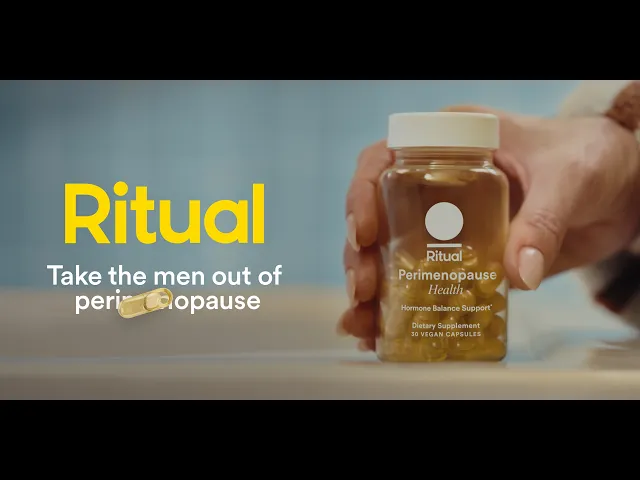
Ritual’s Take the Men Out of Perimenopause campaign is an excellent example of using humour to call out the dismissals and misconceptions that make an already difficult experience harder.
There’s nothing wrong with a good scream, but the brands that really connect won’t necessarily be the ones handing people a baseball bat. They’ll be the ones asking why everyone wants one in the first place.
Next time you’re hunting for an insight, skip the warm and fuzzy for a minute. Ask what’s making people furious. Then ask why.
